Symposium · Wednesday 9 December 2026
The NEON symposium
In 2020, more than thirty PhD researchers, twenty professors and lecturers and twelve companies started work on one question: how can we speed up the transition to sustainable energy and mobility? NEON, the New Energy and mobility Outlook for the Netherlands, was funded by the Dutch Research Council (NWO) through its Crossover programme and led by Eindhoven University of Technology. This year the programme ends. On 9 December we show what six years of research produced, and we ask you to help decide what should come next.
Why NEON
NEON started from three observations about the Dutch knowledge and innovation system:
- Innovation money goes to technologies that are close to the market, not to the ones that could matter most in the long run.
- Technologies that work in the lab stall in society, because engineers and social scientists seldom work on the same problem.
- Policy makers lack quantified models that show what a transition costs and what it delivers.
NEON answered each with a line of work: research into technologies such as airborne wind energy, building-integrated solar, DC grids and medium-voltage fast charging; engineers, psychologists, legal scholars and transition researchers working on the same questions; and an integral model of the Dutch energy and mobility system.
Who should come
The day is meant for two groups of people:
- people who want to shape the next generation of energy and mobility research, whether they work at a university, a company, a funder or a government;
- people who want to pin down what six years of NEON mean for the next steps in the energy transition, in the Netherlands, in Europe and beyond.
The day
Morning: what came of it. Maarten Steinbuch (TU/e) opens the day. Naud Loomans shows how NEON's integral model became the first step towards LUX-NL, Zenmo's model of the Dutch energy system, what it has taught us and where it should go next. Dirk Vrijenhoek interviews Auke Hoekstra about Power to the People, the NEON book. Derk Loorbach (DRIFT, Erasmus University Rotterdam) makes the case for disruptive research. Then a panel with Maarten Steinbuch, Mixel Kiemen and Mark Bonenschanser asks how cross-disciplinary research works in practice and what a fourth-generation university looks like: a university that works on societal transitions together with companies, governments and citizens.
Afternoon: parallel talks and workshops on NEON's research results, on NEON spin-off projects Holon and ISIE and on the benefits and pitfalls of interdisciplinarity, with Dr Mauro Salazar and professor Floor Alkemade among the speakers.
Closing. Stand-up comedian Tim Kroezen reviews the day in Dutch. The last session looks at the routes for funding a new generation of energy and mobility research. We end with drinks.
Practical information
| Date | Wednesday 9 December 2026, walk-in from 9:30, drinks until 18:00 |
| Venue | Next Nature Museum, Noord Brabantlaan 1A, 5652 LA Eindhoven |
| Language | English; the closing act by the comedian is in Dutch |
| Cost | Free, registration required; places are limited |
| Museum | Your registration includes a ticket to the museum |
The Next Nature Museum is housed in the Evoluon, the building Philips opened in 1966 to show the public the technology of the future. In 2026 the building turns sixty.
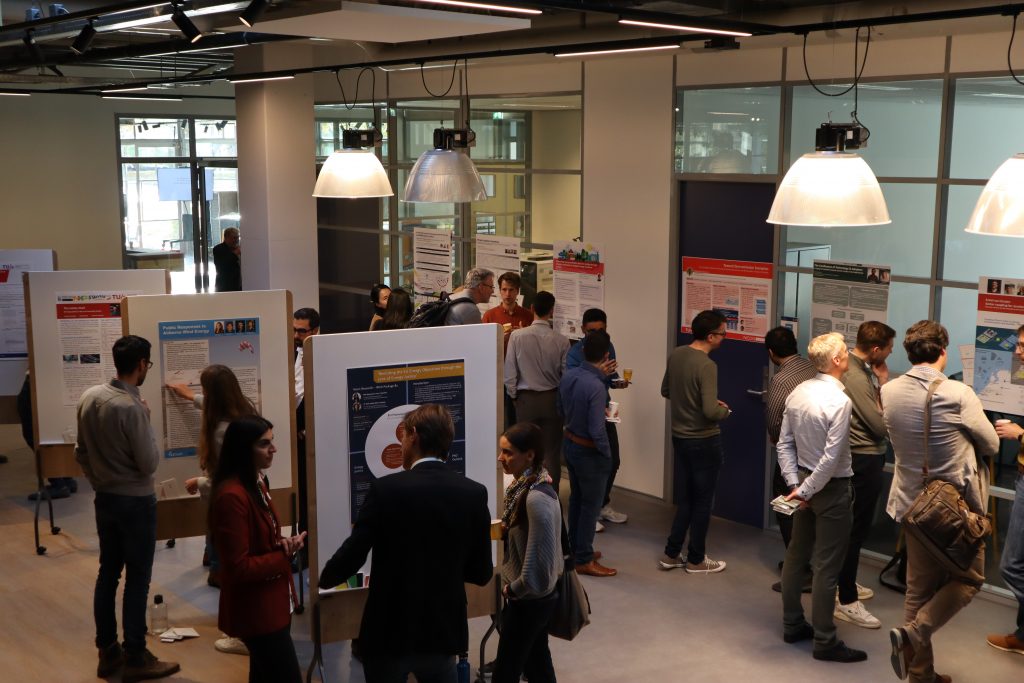
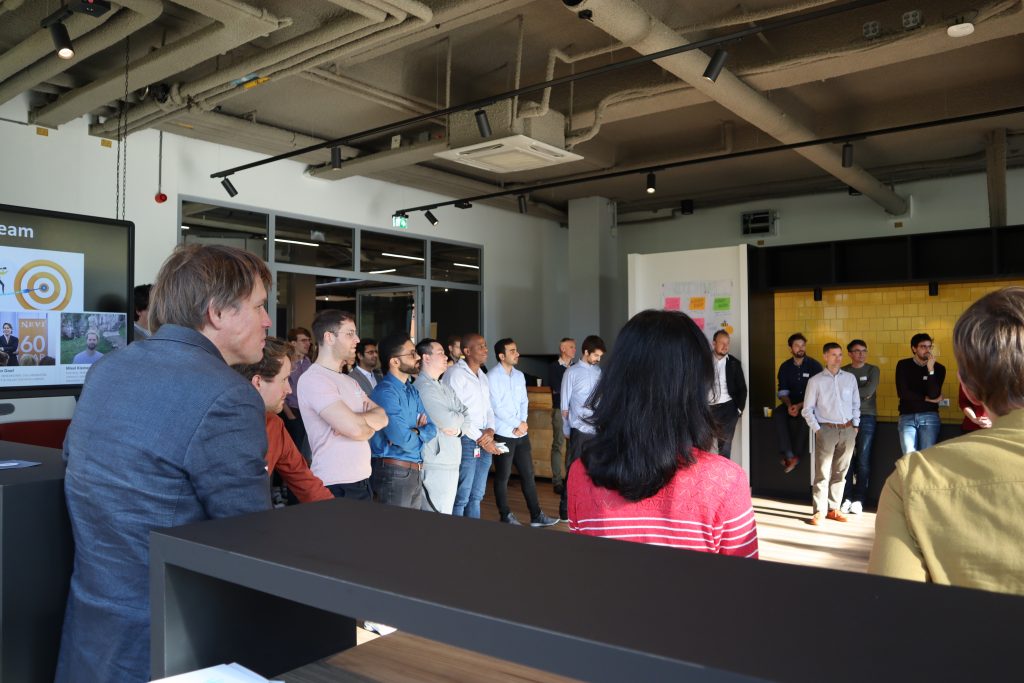
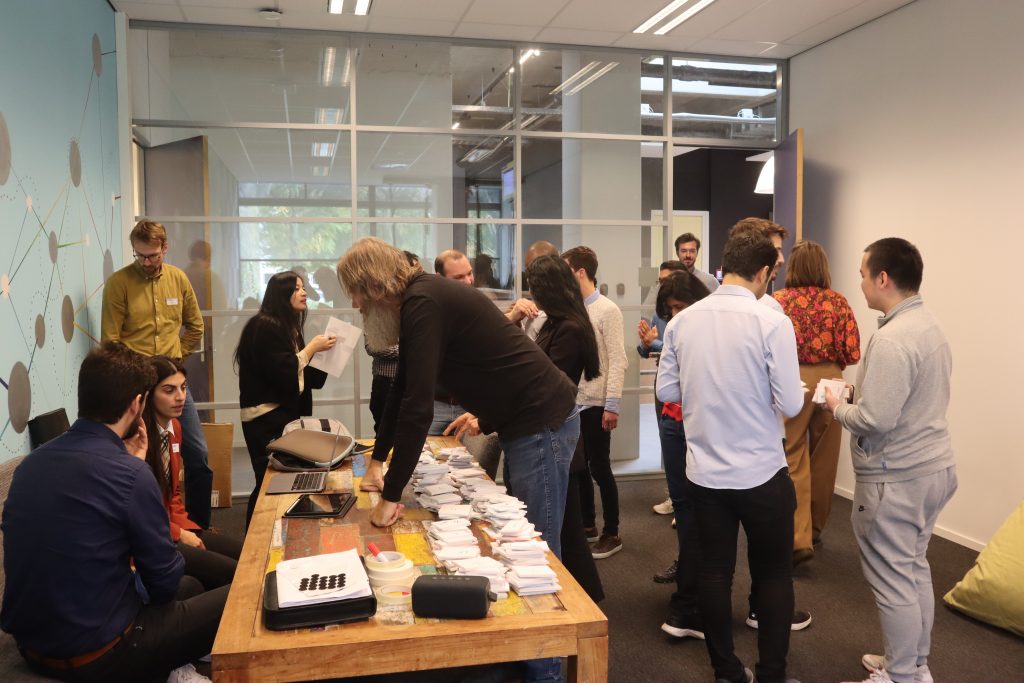
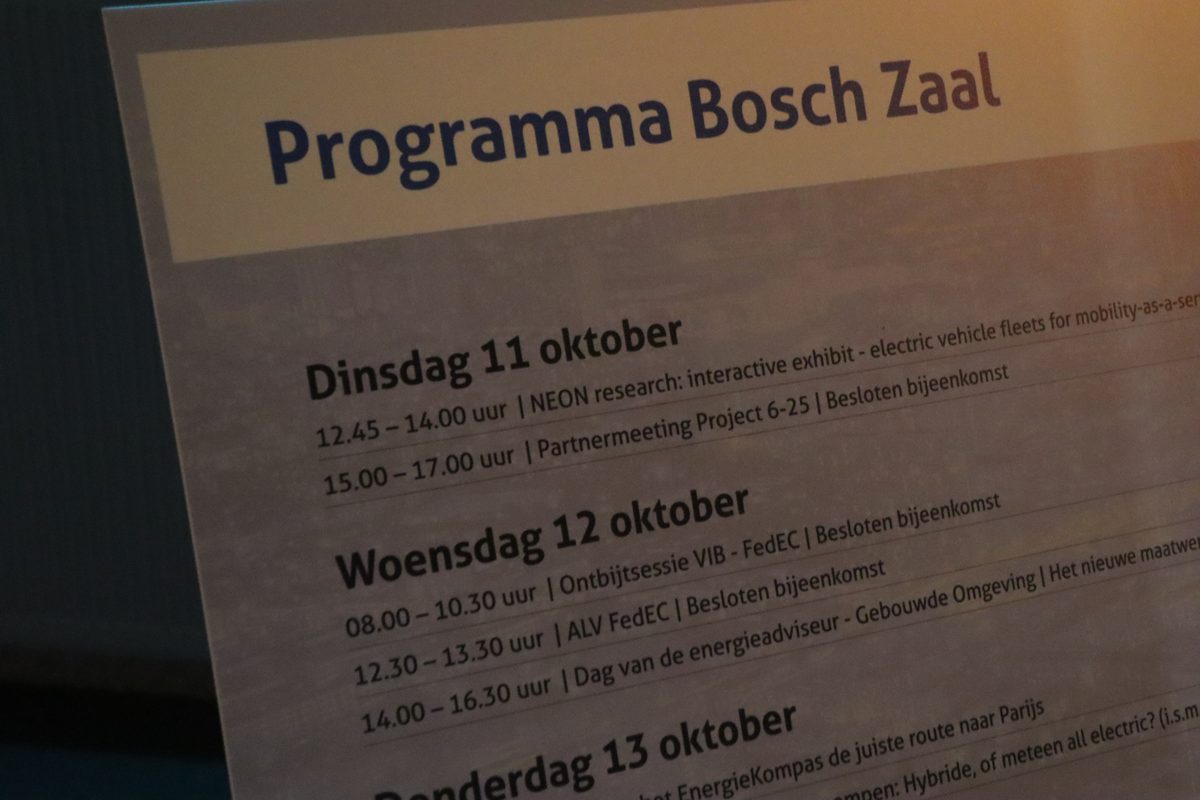
Earlier NEON events
Schedule
Times and sessions may change.
Walk-in and coffee
Welcome
With Maarten Steinbuch
Maarten Steinbuch (Eindhoven University of Technology) on why NEON started in 2020, what it set out to do, and what this day is for.
From the NEON model to LUX-NL
With Naud Loomans
Naud Loomans shows how NEON's integral model became the first step towards LUX-NL, Zenmo's model of the Dutch energy system. What has the model taught us about the transition, and where should it go next?
Power to the People: the NEON book
With Auke Hoekstra and Dirk Vrijenhoek
Dirk Vrijenhoek interviews Auke Hoekstra, the author, about what six years of NEON taught us about the energy and mobility transition.
Break
The need for disruptive research
With Derk Loorbach
Derk Loorbach (DRIFT, Erasmus University Rotterdam) on why transitions need research that questions the system instead of improving it step by step.
Cross-disciplinary research and the fourth-generation university
With Maarten Steinbuch, Mixel Kiemen and Mark Bonenschanser
A panel with Maarten Steinbuch, Mixel Kiemen and Mark Bonenschanser. How do engineers, social scientists, companies and governments work on one problem together? And what does a university look like that organises its research around societal transitions?
Lunch
1 Energy tech & sustainable transport
2 Interdisciplinary research
13:30-14:45
Singing your way to interdisciplinarity – musical workshop
With Auke Hoekstra and friend
3 Societal change & modelling challenges
Coffee break
1 Energy tech & sustainable transport
15:15
Holon: local flexibility to ease grid congestion
With Luc Sol
A NEON spin-off in which Zenmo and Eindhoven University of Technology carried NEON's integral, agent-based model forward. Holon works out how local flexibility, organised in nested local layers, can ease grid congestion, with open simulation tools for energy hubs and neighbourhoods and a national study. Commissioned by Energy Innovation NL, with the Netherlands Enterprise Agency (RVO). What did it show, and which questions remain open?
2 Interdisciplinary research
3 Societal change & modelling challenges
15:15
ISIE: standards for energy system models
A NEON spin-off in which Zenmo and Eindhoven University of Technology work in a consortium led by Common Futures, with CE Delft, Open Energy Transition and Resourcefully. ISIE develops standards and shared tools so that energy models of local flexibility and grids can be linked, compared and trusted by policy makers. Commissioned by Energy Innovation NL, in cooperation with the Netherlands Enterprise Agency (RVO). What do we hope to learn from it, and what research should come after it?
What have we learned today? (in Dutch)
With Tim Kroezen
Stand-up comedian Tim Kroezen looks back on the day. This part is in Dutch.
What's next?
The routes for funding a new generation of energy and mobility research now that NEON has ended.
Drinks
Until 18:00.